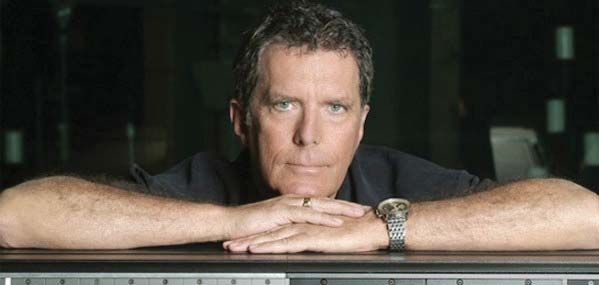
The storied producer and engineer Ron Nevison began his career in the 1970s as an engineer on classic albums including The Who’s Quadrophenia and Bad Company’s self-titled debut. He eventually became a full time producer, working with artists like Led Zeppelin, Ozzy Osbourne, UFO, Thin Lizzy and Kiss. He is also currently in the process of writing his auto biography.
https://joom.ag/usOa/p20
KISS
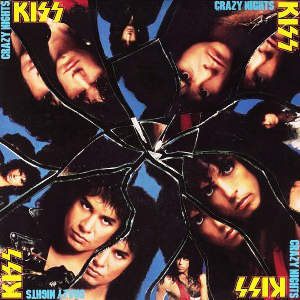
Well, people said KISS was trying to compete with Bon Jovi at the time, I guess it’s kind of true. Bon Jovi at the time had come out with “Livin’ On A Prayer,” and we’re in their early peak. Paul Stanley of KISS was in New York writing with Desmond Child and all the writers Bon Jovi was working with. At the beginning of the Crazy Nights sessions, Paul had shown me eight or ten great quality songs that he thought we could use.
Gene just kind of sent me some songs that he had laying around, maybe twenty five or so, if I remember correctly. He basically only contributed a couple of songs that made it to the record. We did most everything at Rumbo Records near Los Angeles.
To tell you the truth, I’m a little disappointed that the Crazy Nights album didn’t have a big hit single. Ten years before the Crazy Nights sessions, I had an interview with Paul Stanley just before KISS did their solo albums. I met Paul at Casablanca Records, but for whatever reason, I didn’t end up working with them. I don’t know if they didn’t want me to do it in the end, or if I didn’t want to do it. Or Perhaps I was just too busy.
BABYS
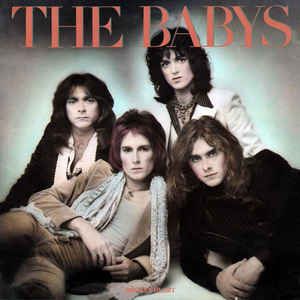
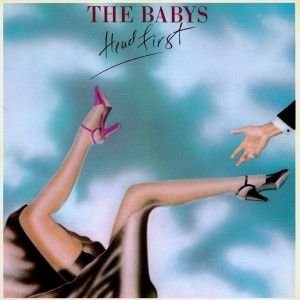
I did two albums with the Babys and had out friend, Allan Macmillan, do the orchestration. On the album Head first I brought in a song called Isn’t It Time. Singer John Waite didn’t want to do it. None of the band really wanted to do it, but I had a mandate from the record company to make a hit for them and do it by whatever means possible. So John starts singing this song, but when he got to the chorus, it didn’t sound right. So I decided to have my background singers come in and sing the chorus and have John answer it. I kept my fingers crossed, and the results were great.
UFO
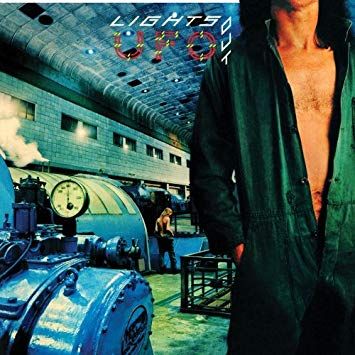
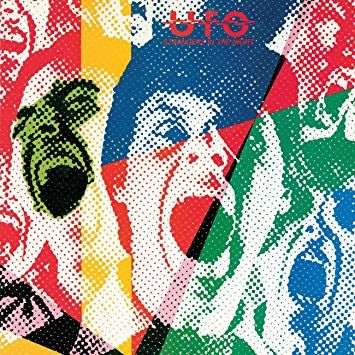
Strangers in the Night was recorded at the Record Plant mobile studio. If I remember correctly, I believe it was recorded in four or five different locations. Youngstown, Columbus, Cleveland, Chicago – with Chicago being the biggest hit. I had Mike Clink as my assistant back then. I ended up talking to Chrysalis Records, and we finally decided to do the double album. Now, in the end, there were two songs that I still needed that I really didn’t think were up to par, so we went back into the Record Plant Studio C and re recorded those two songs. I don’t know if anyone could tell the difference as I used all the same mics, the same placement, everything. I set up to record just like it was on stage and at the gigs. I must say their were very little overdubs.
Lights Out was probably my favorite UFO album to work on. I remember recording in London and flying out to L.A. to
master it. When it was all said and done, we then brought it to Chrysalis and played it for them. We got a standing ovation from the
room.
THIN LIZZY & THE WHO
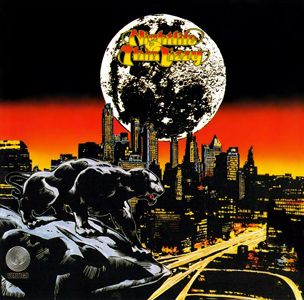
With Lizzy, I really liked the two guitar player thing with Gorham and Robertson, but I didn’t like the studio at all. The control room was on one floor, and the studio itself was on another level. So to do any adjusting on a mic or whatever you had to go up and down these fucking stairs. Back and forth, back and forth.
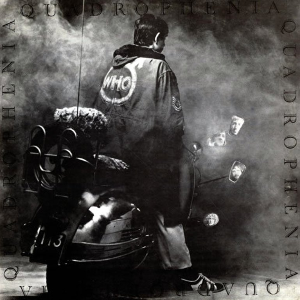
Quadrophenia was a concept born out of the Lighthouse phase of Pete Townsand's writing.
MCA was coming out with this Quadraphonic sound in the '70s, and they were building a studio in a section of London
that prepared for the "quad" sound. Now I only got the job as the recording engineer on this because I had built a studio for Ronnie
Lane (Faces), and he and Townshend were great friends. So when the Who was ready to do the album and their control room wasn't
ready. Ronnie gets a call, and they say 'get your mobile studio down here because we want to start recording basic tracks.' Since I
was the guy who designed and built the studio, they said okay let him do it. The equipment we had in the mobile unit came from
America; this was the equipment that supposedly had replicated the Quadraphonic sound. It was lousy. In other words, there was no front to back separation at all. It was like one big mono mix.
Pete came in and said 'I'm not going to do a Quadraphonic album that doesn't
even sound as good as a regular stereo mix. Keep in mind that I had already done a lot of
quad work. I had recorded the drums in four places and panned them, etc. Lots of work. A
lot of people still say that album was recorded in Quad and it's not.
DAMN YANKEES
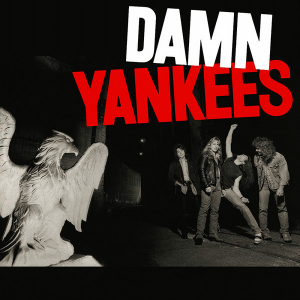
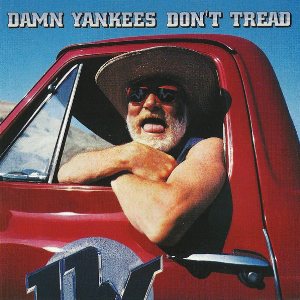
Ok, so John Kalodnar was the guy at Geffen, and this is like 1989 or something like that. I had had dealings with him with Survivor and some other things. Kalodner is the one that got Ted Nugent, Jack Blades and Tommy Shaw together, and that was what he did well. The whole A&R guy thing, you know? The best thing they can do is create marriages, and the worst thing they can do is meddle in the music. So he puts together these guys, and they went and wrote demo songs, and it was great. What happened was the president of Geffen records at the time passed on those demo songs. Passed on ‘High Enough” and all those great songs. So Later I got a call one day from Michael Austin over at Warner Brothers. He says he’s got these guys, Nugent, Blades and Shaw and also their music. I said yeah I would love to hear it! I went down to Warners and ended up doing the album with them.
more @ https://view.joomag.com/illinois-entert ... /p20?short