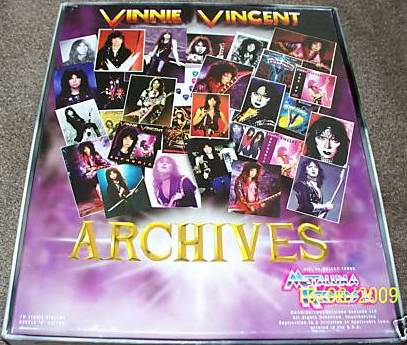
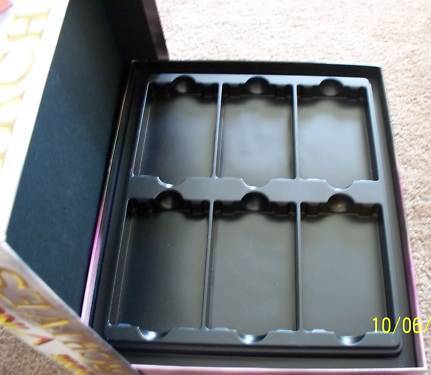
Here is the logic
Limited edition suggests a low volume.
Since greater quantity= greater savings to the customer
To keep pricing realistic in low volume production, cost must be controlled.
Flexibility and low volume mean job order (or custom) costing.
Here are the steps:
Step 1: Predict the cost of production
Step 2: Negotiate price and decide whether to pursue it.
Step 3: Schedule production.
The letter suggests not all costs (studio time) were accounted for before step two. Meaning he must have relied on speculation of the cost of production.
Then, this letter suggests that he did not account for "Murphy's law" or the cost of a screw up in production.
I would also like to point out one of the most common bookkeeping incompetencies occurs in prepaid order. It seems as though many bookkeepers almost gravitate towards crediting "revenue" when any order is received. In prepaid orders, this is wrong. A liability account must be created called "unearned revenue". This account tracks the goods the company owes the customer. Sadly, revenue recognition is an accounting principle. Unearned revenue is cited as the most overlooked liability account.
Not to scare you away from prepaid orders for life
 And if you pay anything in advance (rent, insurance, services) ; keep the money orders, any receipts, the agreement, etc. Make the adjustments. Subtract the services, goods, month of rent from the amount of initial payment. Never trust in the competence of the bookkeeper. Neither education or experience will fix incompetence. Sad, but true. Don't ever trust in a degree, experience, or a position. Period. My rule of thumb for everything.
 See you. Got to take a shower, put on my face, get my coffee, and go.